
Bottle feeding lambs
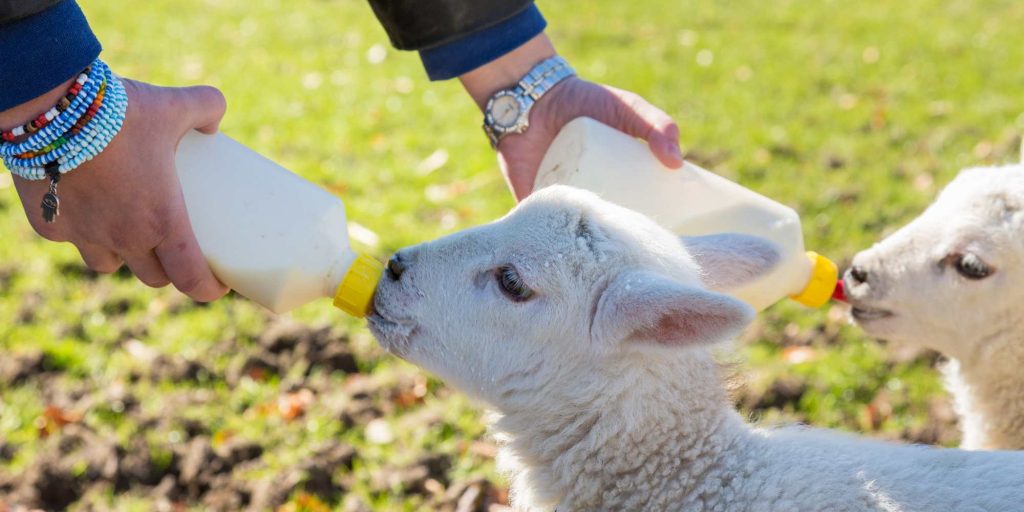
Bottle feeding lambs Bottle feeding lambs is almost a rite of passage for most farmers of sheep. Whether the sheep has had loads of lambs and doesn’t have enough milk to feed them, or something has happened to the mum it is good to be prepared in case this happens. Equipment: Clean teat and bottle […]
Feeding calves (it’s more than just milk)
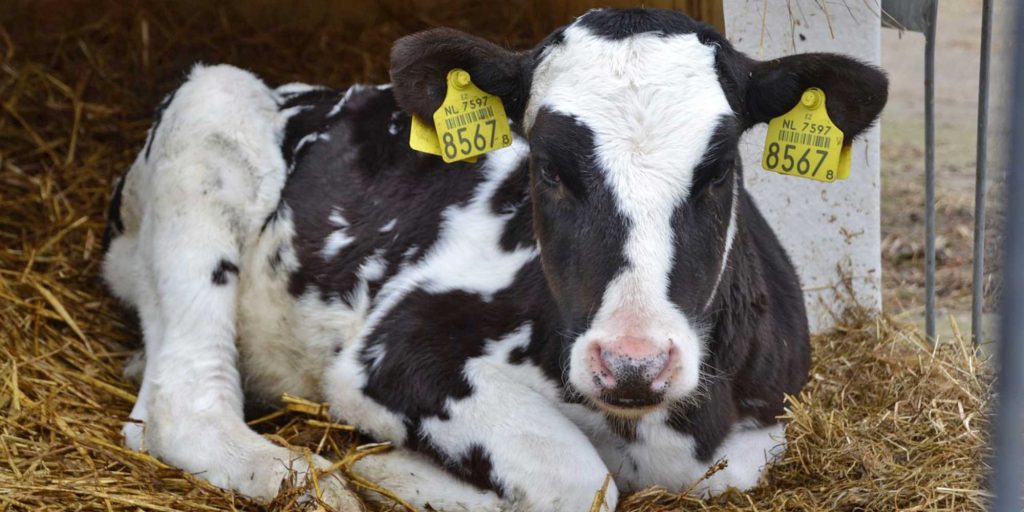
Feeding calves (it’s more than just milk) Cows are ruminants, meaning they have four stomachs. As an adult the rumen is the main stomach for digestion, however when they are a calf, this stomach is small and undeveloped. It is important to aid calves in developing their rumen from a young age to ensure that […]
Coccidia
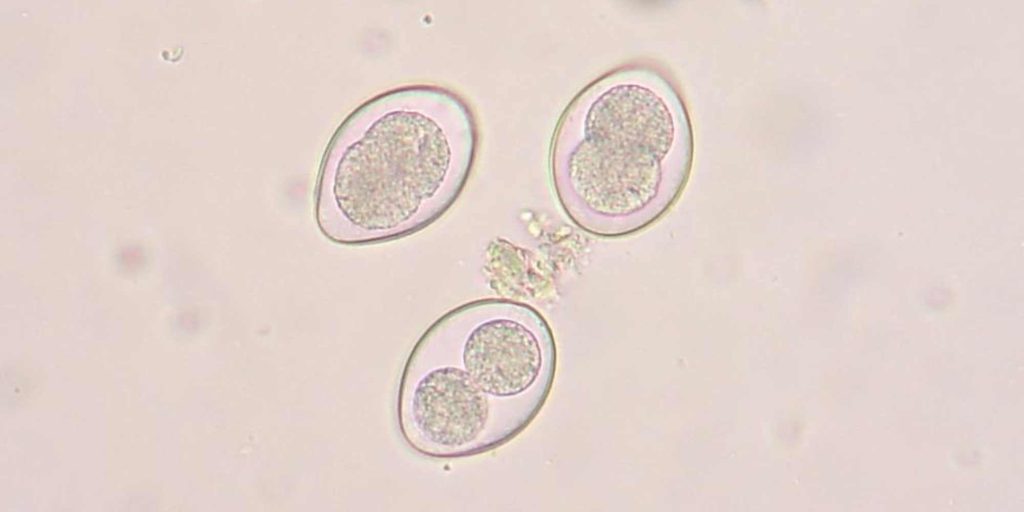
Coccidia What is Coccidiosis? Coccidiosis is a parasitic disease that affects young stock, usually over three weeks of age. It usually affects young animals that are exposed to high levels of the coccidia protozoa, (usually due to dirty calf pens, equipment and gumboots), or when their resistance is lowered due to poor nutrition, stress, or […]
Crop Corner: Lucerne
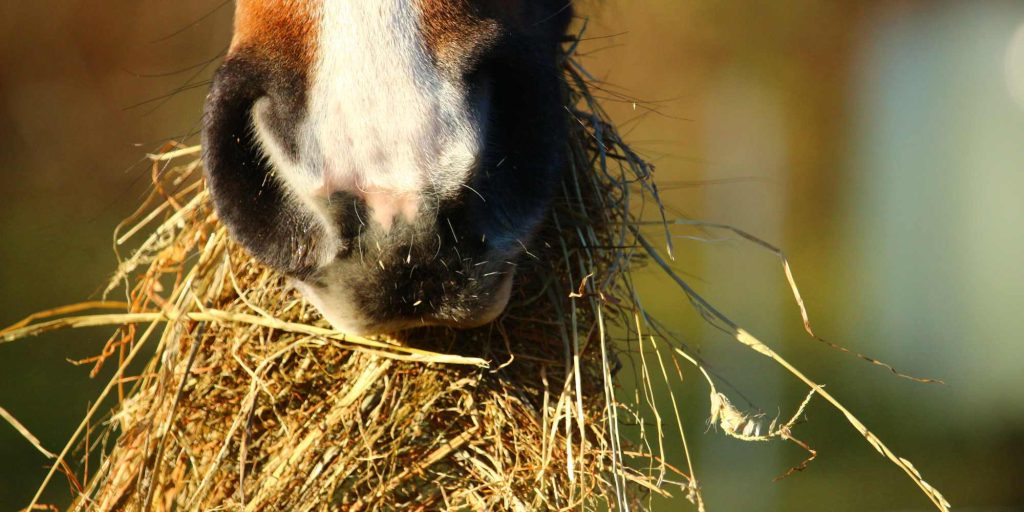
Crop Corner: Lucerne A common species for commercial grazing or making into hay or chaff Crop corner is here to help you identify what is in your pasture and how it benefits your grazing animals. Lucerne is a legume grown and fed to a range of livestock (although mainly sheep and cattle) on commercial farms. […]
Lepto Pacifica – New Information

Lepto Pacifica – New Information The increasing number of human cases of leptospirosis (lepto) is currently being highlighted by medical professionals. This increase is being attributed to wetter conditions, additional species becoming clinically affected (we have seen severe cases in lambs over the last 12 months) and the changing species of lepto that are infecting […]
Managing calf scours

Managing calf scours Calf scours is the most common disease of neonatal calves in New Zealand and is responsible for the greatest economic losses. Scours result from a variety of causes including nutrition, stress events, and pathogens such as rotavirus, E.coli, cryptosporidium, salmonella, and coccidia. Irrespective of the cause, diarrhoea results from damage to the […]
Vaccine storage

Vaccine storage For vaccines to be effective when injected they must be stored correctly including when you collect them from the clinic as well as how they are handled when you are on farm. There is no sense going to all the trouble of vaccinating if the vaccine has been degraded by how we have […]
Scabby mouth
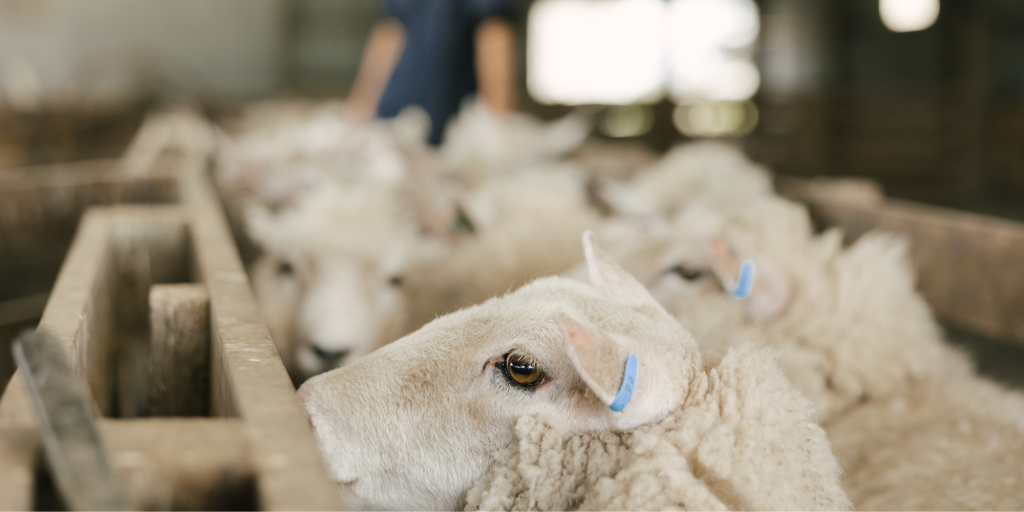
Scabby mouth Scabby mouth is a viral infection that causes painful lesions in affected animals. Infection occurs through breaks in the skin and can occur anywhere on the body. Areas commonly affected are the mouth, feet, udders, and the poll of rams. Thistles and fibrous feed often predispose animals to the mouth lesions. The infection […]
BVD – Bovine Viral Diarrhoea
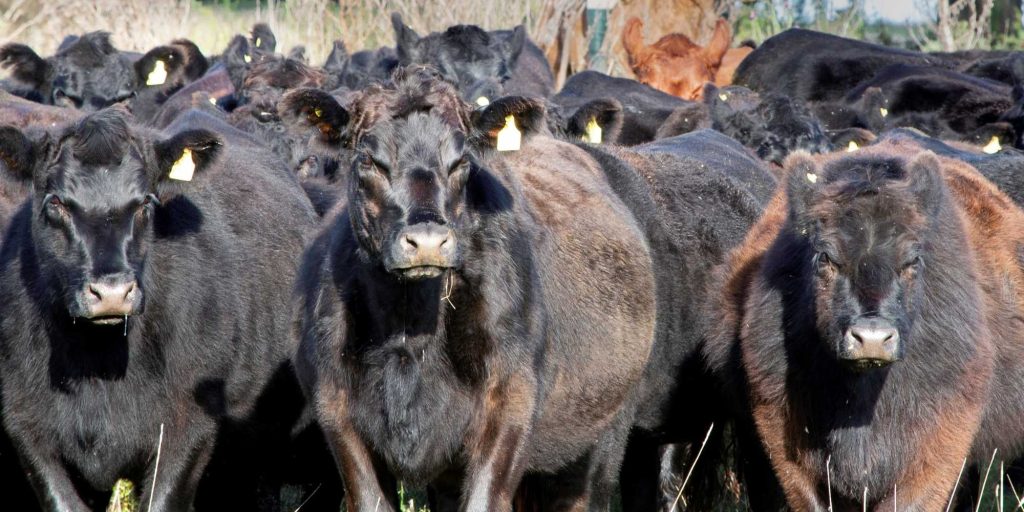
BVD – Bovine Viral Diarrhoea BVD is a common but complicated disease. The production and reproductive costs of the disease are insidious and difficult to calculate. Eradicating BVD often comes with significant productive and reproductive improvements. Hopefully most farmers have some familiarity with the disease process by now. Transmission occurs faeco-orally and nose to nose […]
Lameness in dairy cattle
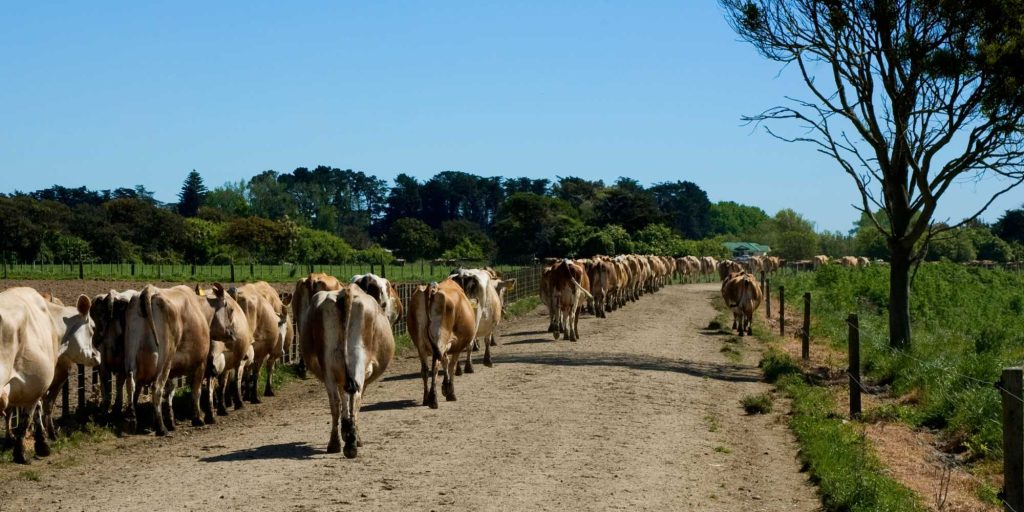
Lameness in dairy cattle Early spring often brings about the onset of lame cows and on some properties the problem can be severe. Lameness poses a real challenge and affects cows in many ways. These include slowness of movement, depressed feed intake, decreased milk production, weight loss and decreased fertility. Additionally, there is an increased […]